Spokane Valley Retaining Walls and Concrete

Service Area

Retaining Walls in Liberty Lake, WA

Retaining walls, concrete and hardscaping built for Inland Northwest slopes, soils and freeze-thaw.

Local retaining walls for Liberty Lake

Spokane Valley Retaining Walls and Concrete provides retaining walls throughout Liberty Lake, WA. Retaining walls, concrete and hardscaping built for Inland Northwest slopes, soils and freeze-thaw.

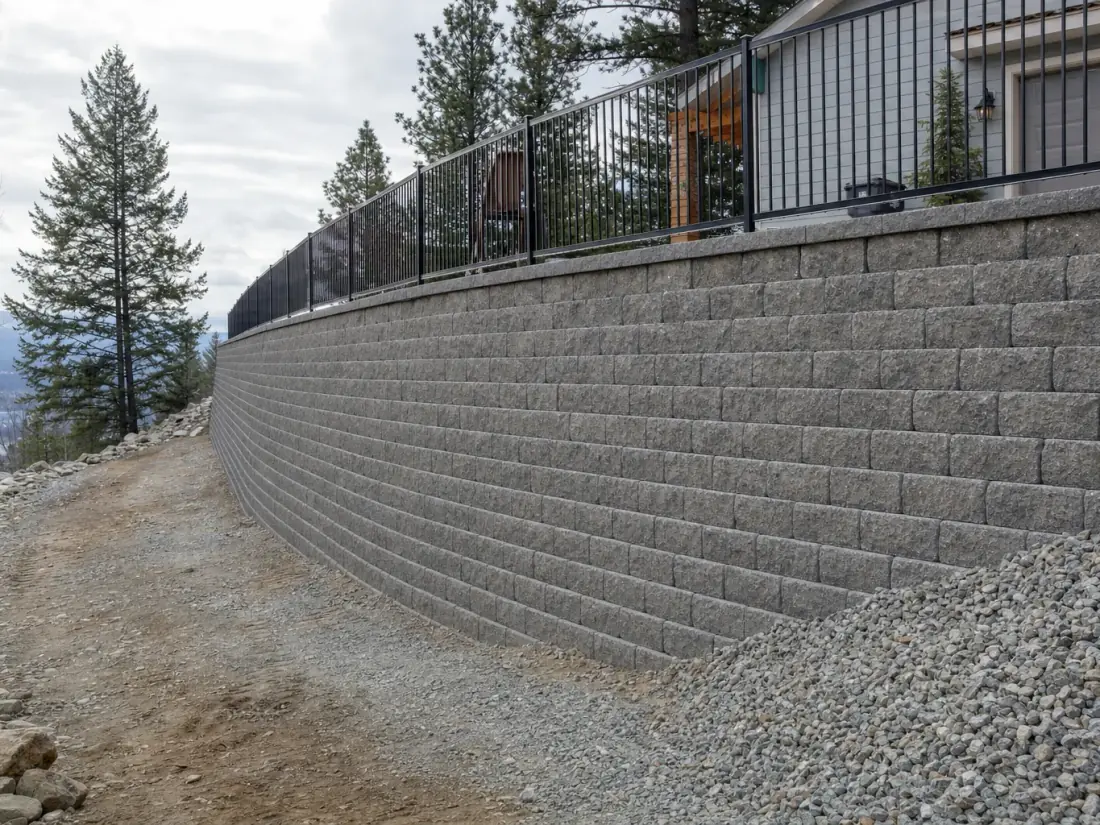
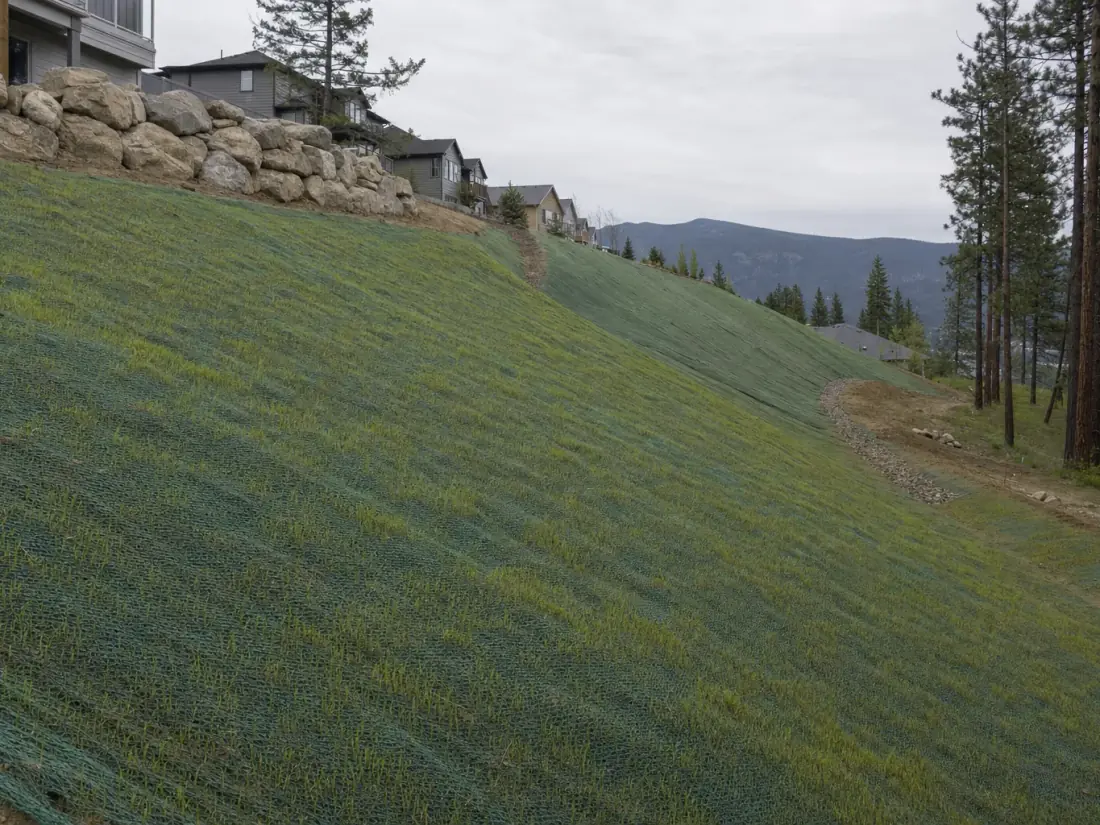
Liberty Lake has a large stock of newer hillside homes built into grades above the lake, where walls are structural rather than decorative and frequently carry driveway surcharge.

Neighborhoods we serve in Liberty Lake include Rocky Hill, Legacy Ridge and River District.

Liberty Lake ZIP codes served

99019
Nearby cities we also cover

Our services in Liberty Lake

Everything we do, available throughout Liberty Lake and the surrounding area.

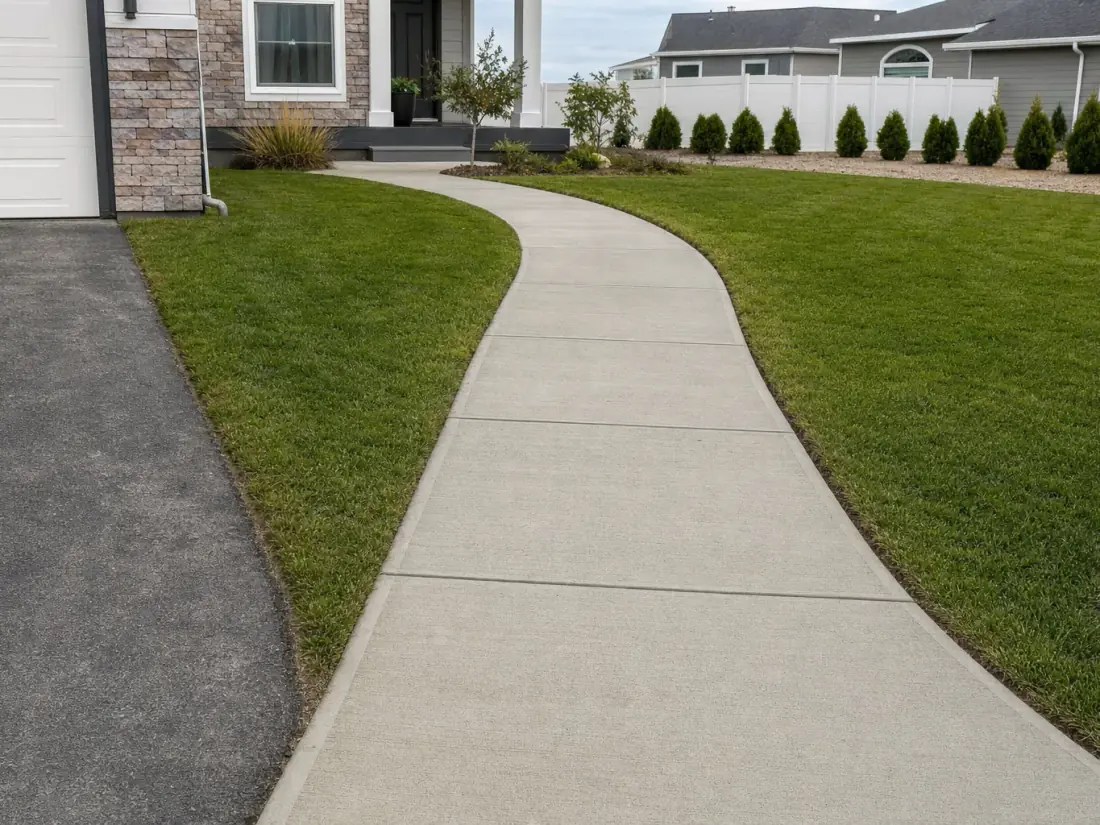
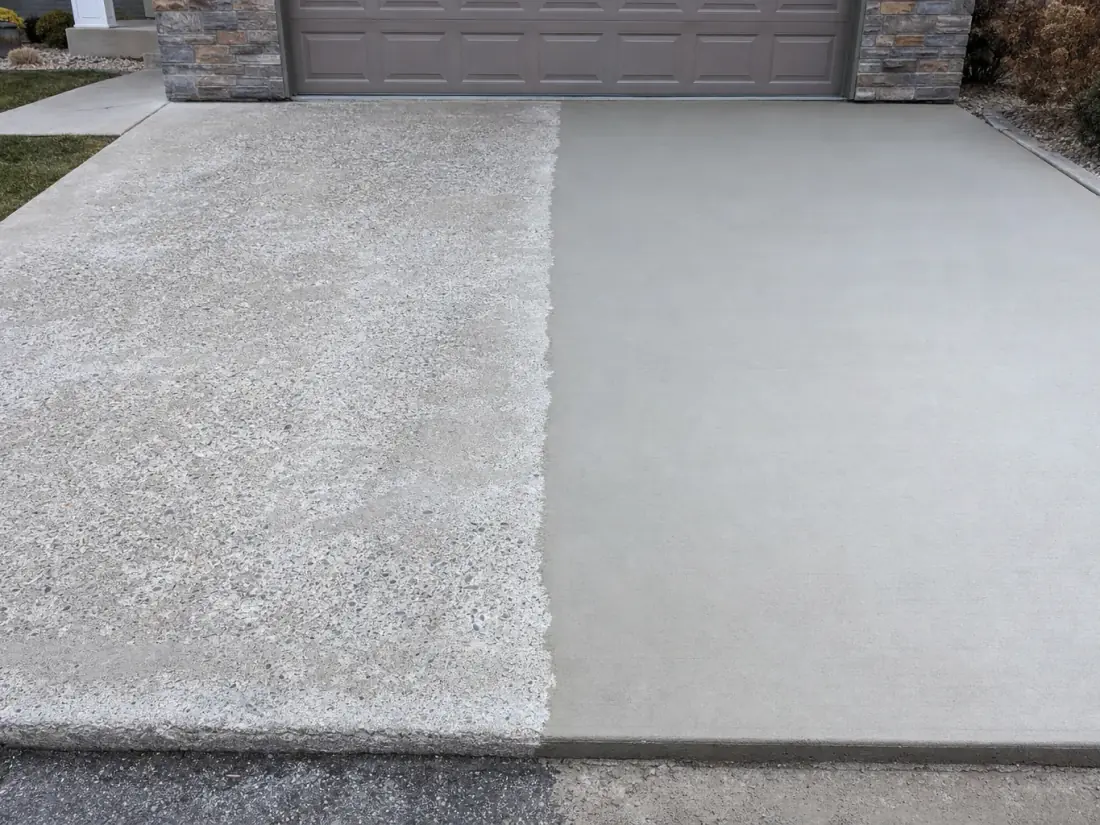
Concrete Driveways project

Concrete Driveways in Liberty Lake

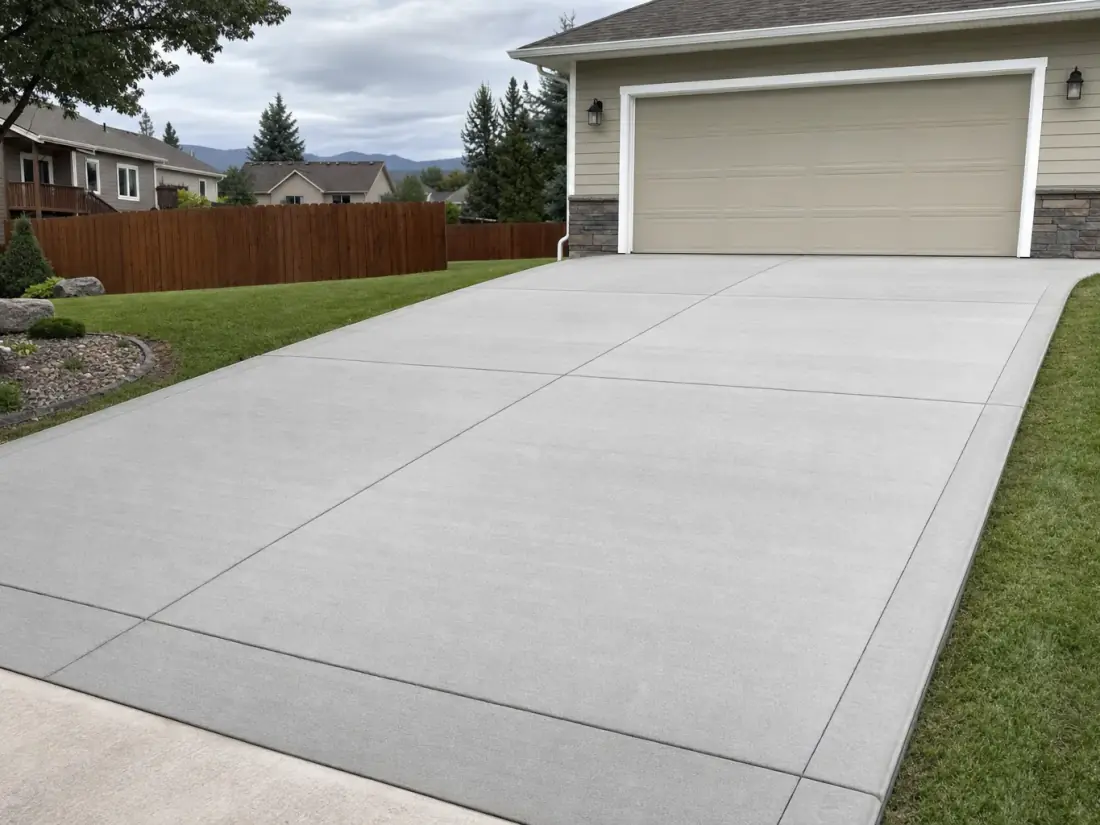
Poured concrete driveways built with the base depth, thickness and control joints Inland Northwest freeze-thaw demands.

Free estimateDetails
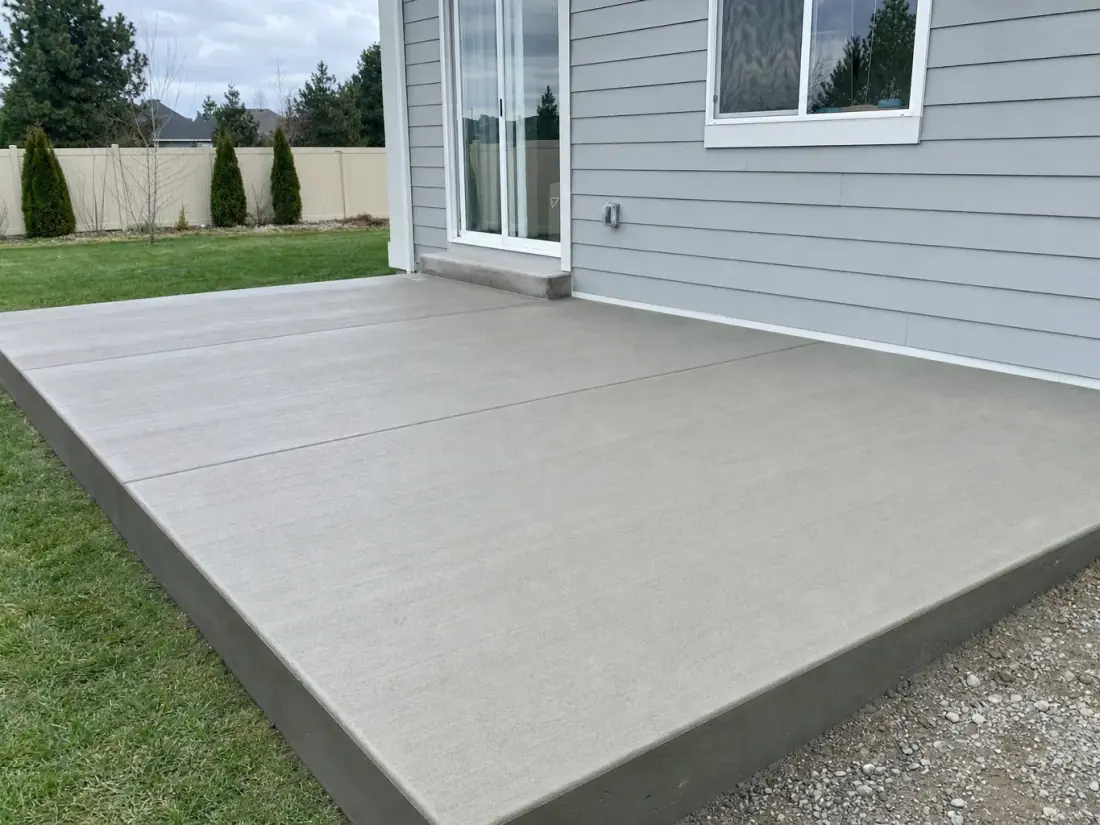
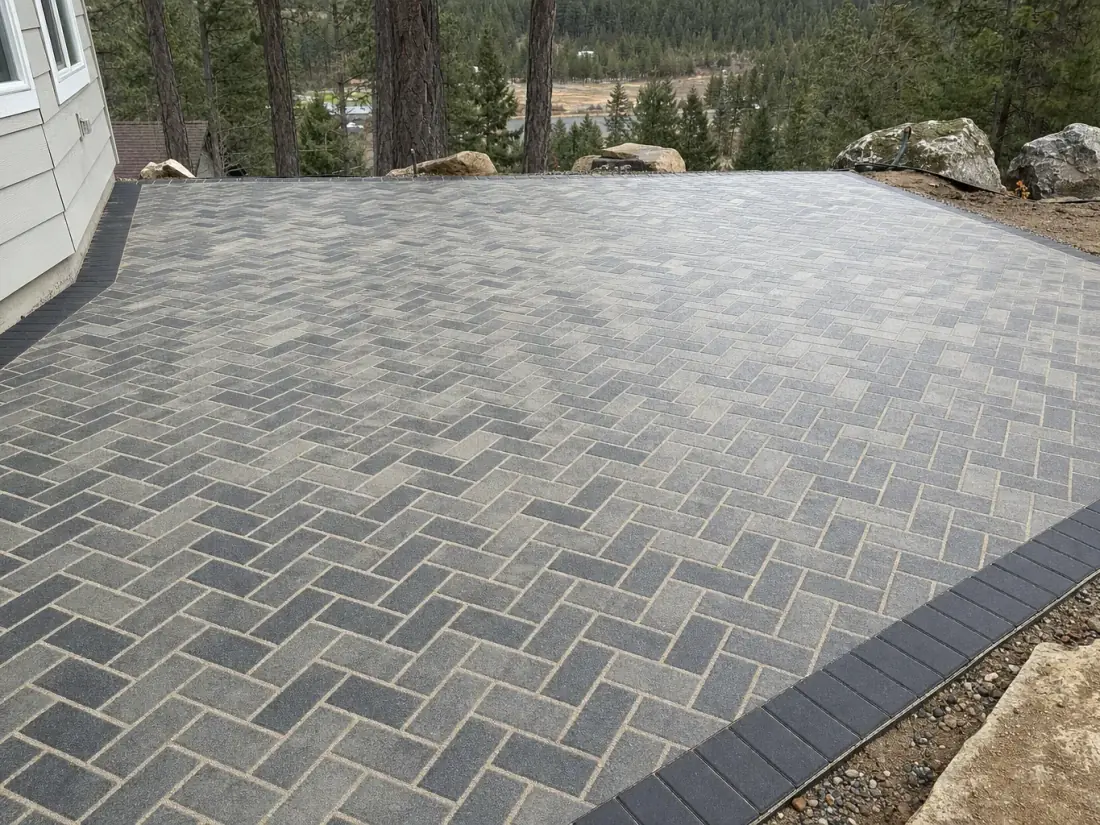
Concrete Patios project

Concrete Patios in Liberty Lake

Poured concrete patios sized, drained and finished to stay flat and safe through Inland Northwest winters.

Free estimateDetails
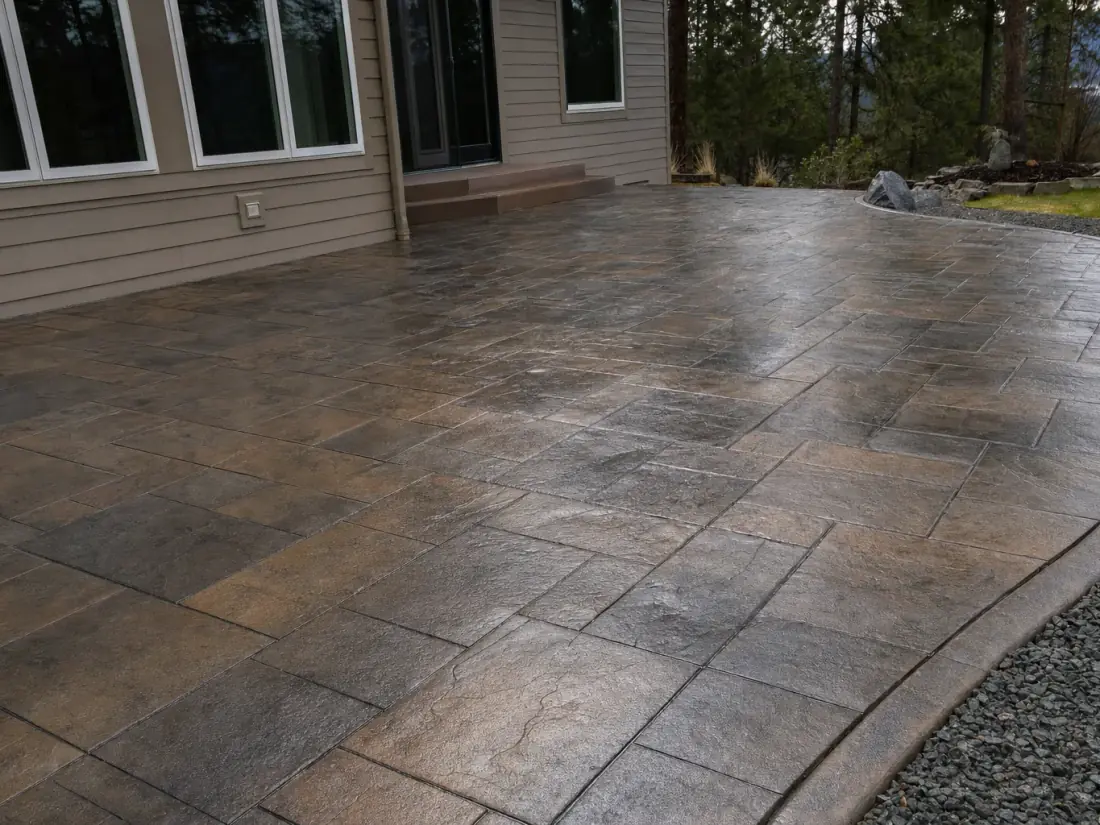
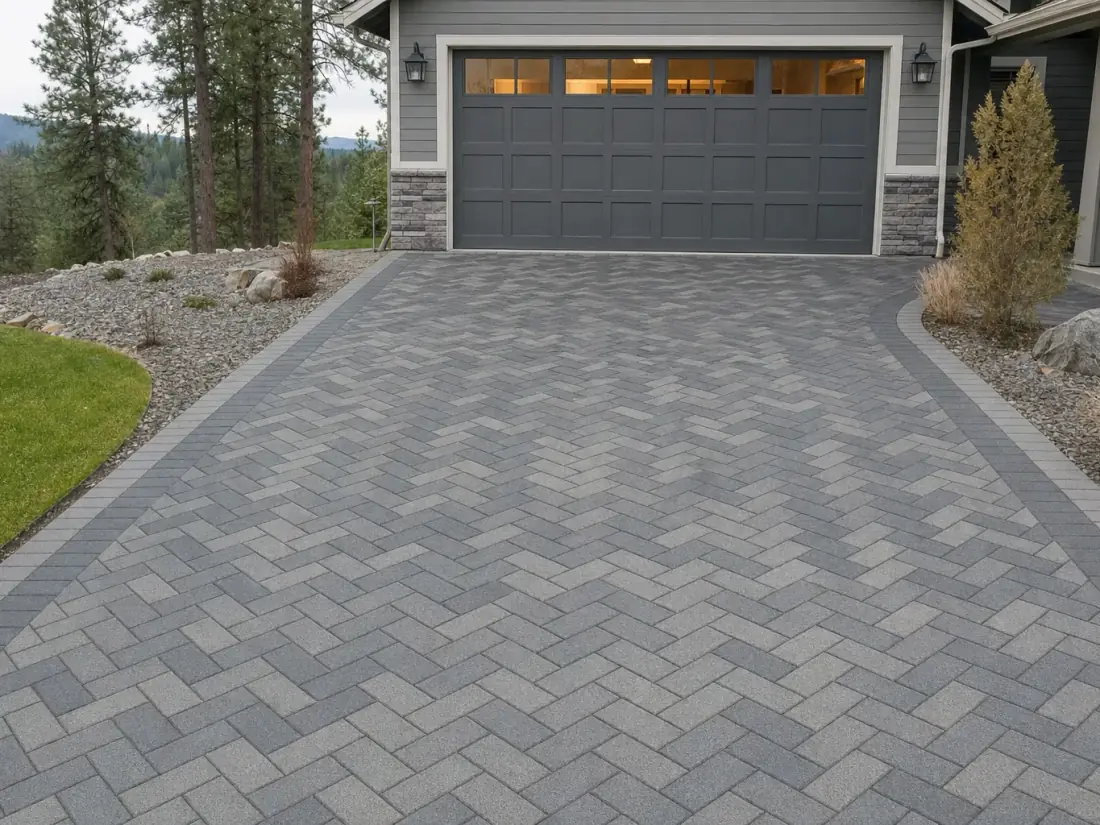
Paver Driveways project

Paver Driveways in Liberty Lake

Permeable and standard paver driveways built to vehicle loading, on a considerably deeper base than a patio needs.

Free estimateDetails

Frequently asked questions

How much does a retaining wall cost in Spokane Valley?

Walls are priced per square foot of exposed face rather than per linear foot, because a three-foot wall and a seven-foot wall of the same length are very different structures. What moves the number most is height, because height drives base depth and whether geogrid reinforcement is needed; then material, site access for machinery, whether an existing wall has to come out, and whether engineering and a permit are required. A short garden wall and an engineered wall holding up a driveway are different orders of magnitude. We quote after seeing the site, and the estimate is free.

Do I need a permit for a retaining wall?

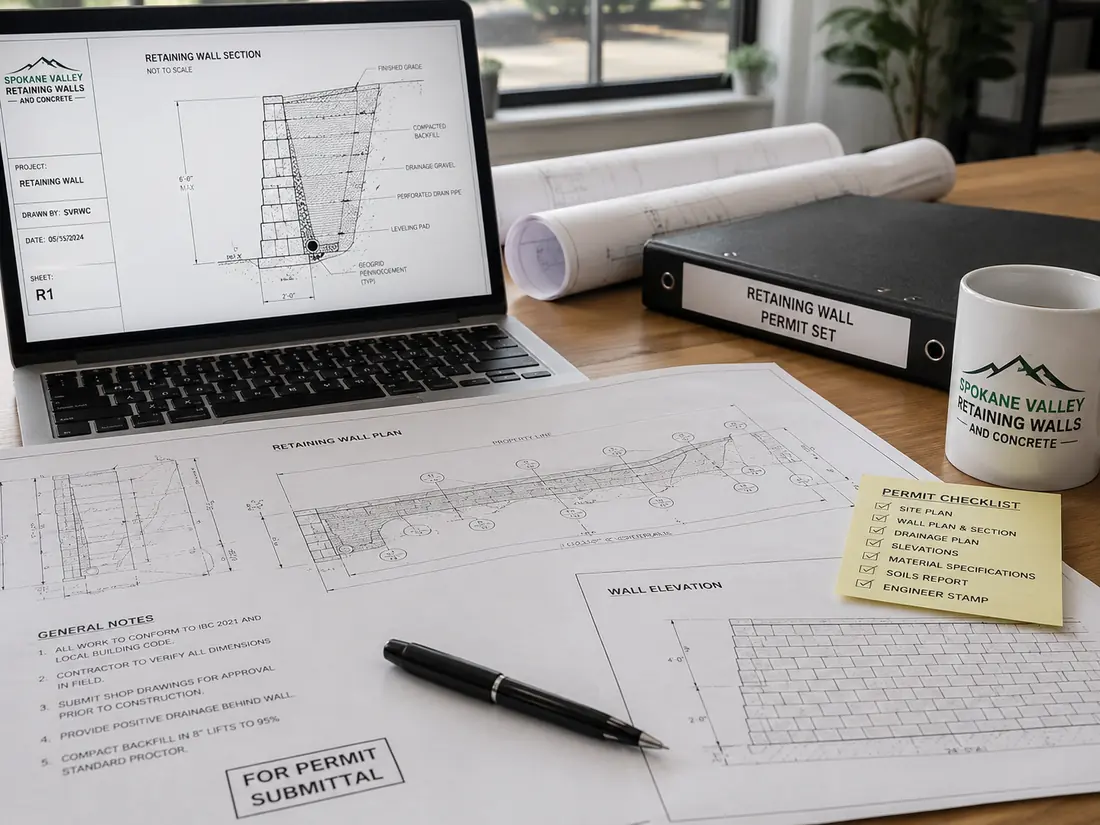
Usually once the exposed height passes about four feet, though the exact trigger differs between Spokane Valley, the City of Spokane, unincorporated Spokane County and Kootenai County across the line. Surcharge changes it too — a lower wall holding back a driveway or structure can require a permit when the same wall in open ground would not. We confirm the threshold for your specific site before designing anything.

Why is my retaining wall leaning or bulging?

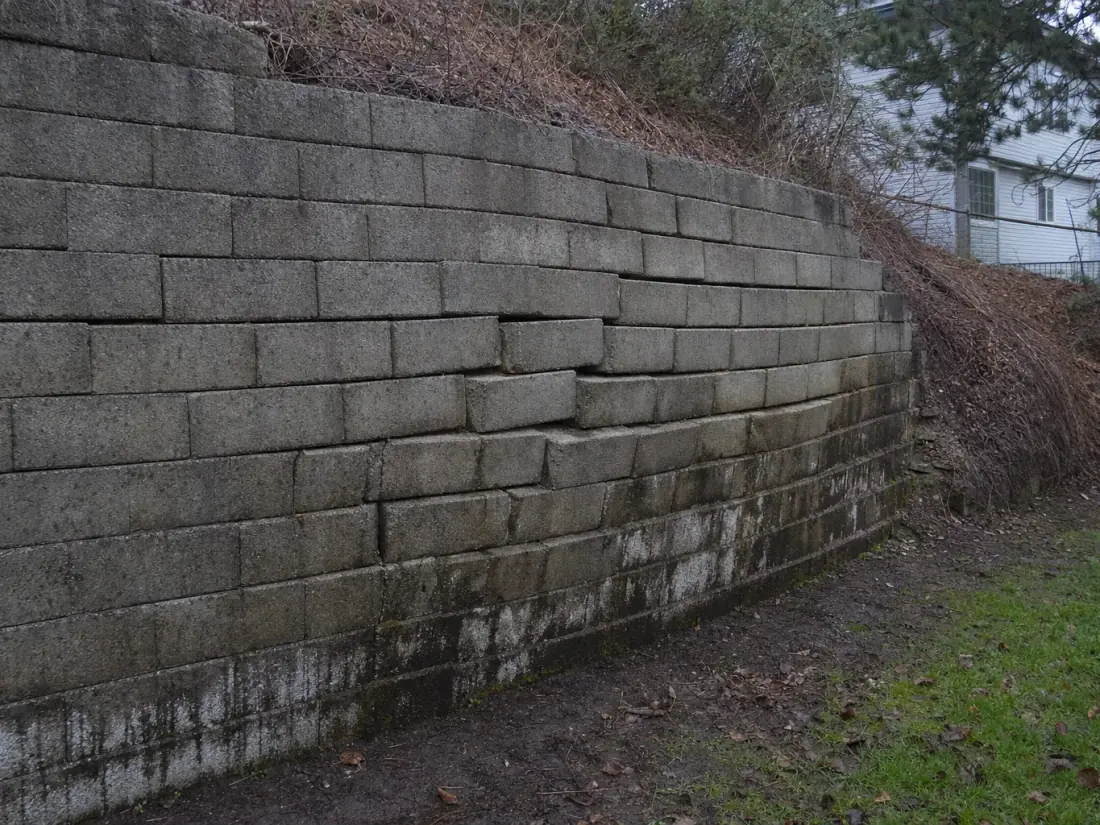
Almost always water. Saturated soil weighs far more than dry soil and pushes with hydrostatic pressure the wall was probably never designed to resist. Bulging in the middle points to water pressure with no escape route. Leaning at the top usually means insufficient reinforcement tying the wall back into the slope. Cracking at a corner often means uneven base settlement. The repair depends entirely on which of those it is, which is why we diagnose before quoting.

How long should a retaining wall last?

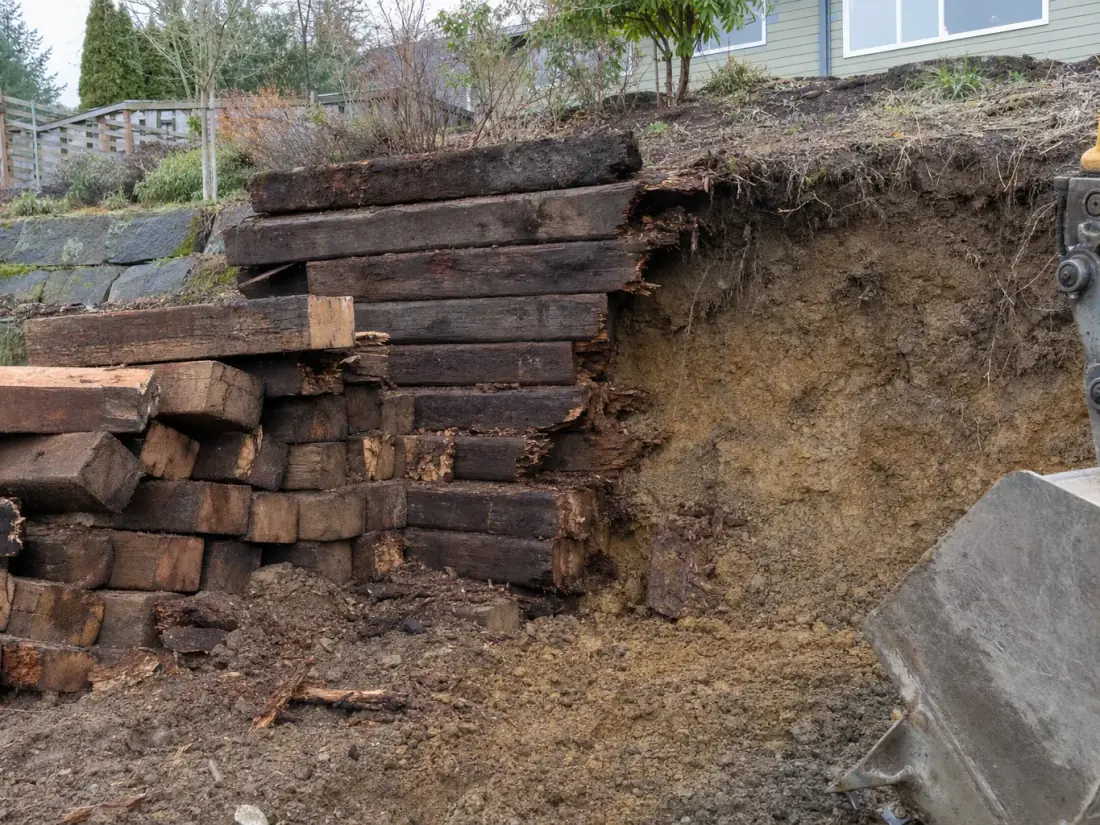
A properly built and drained block or concrete wall should last decades — the material is not what fails. Timber is the exception, with a realistic life closer to fifteen to twenty years in constant ground contact, and the tie-backs usually fail before the visible face does. Walls that fail early nearly always failed on drainage rather than materials.

Can you repair a wall or does it need replacing?

Often it can be repaired, and retrofitting drainage into an existing wall is dramatically cheaper than rebuilding. Whether that is the right call depends on how far the wall has moved and why. Once a wall has rotated significantly or the base has failed, repair becomes throwing good money after bad. We price both options side by side so you can compare rather than take our word for it.

Do retaining walls need drainage?

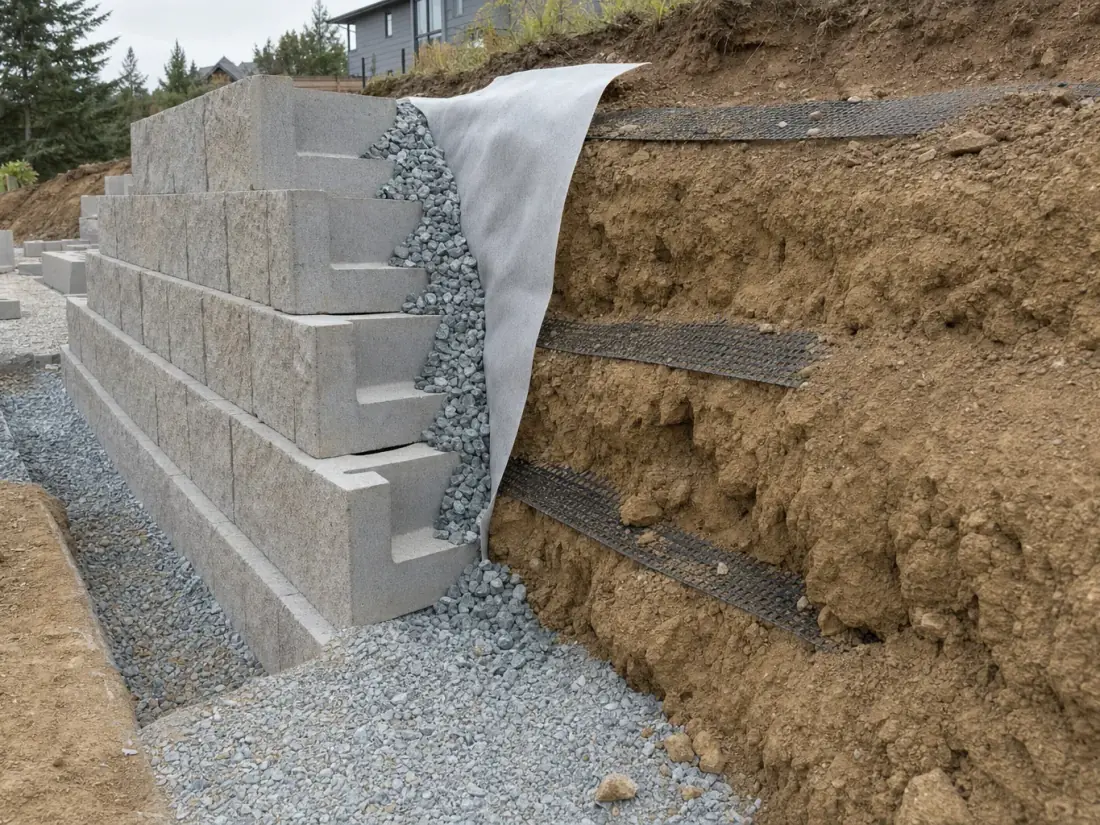
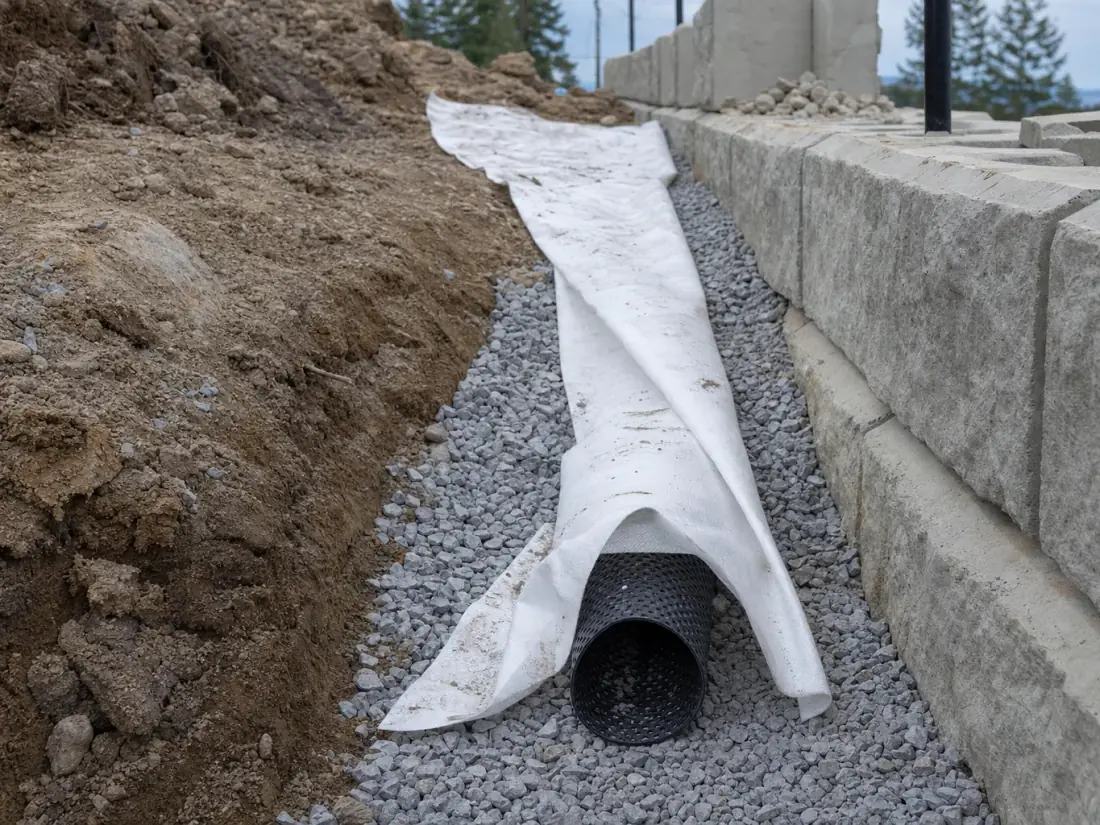
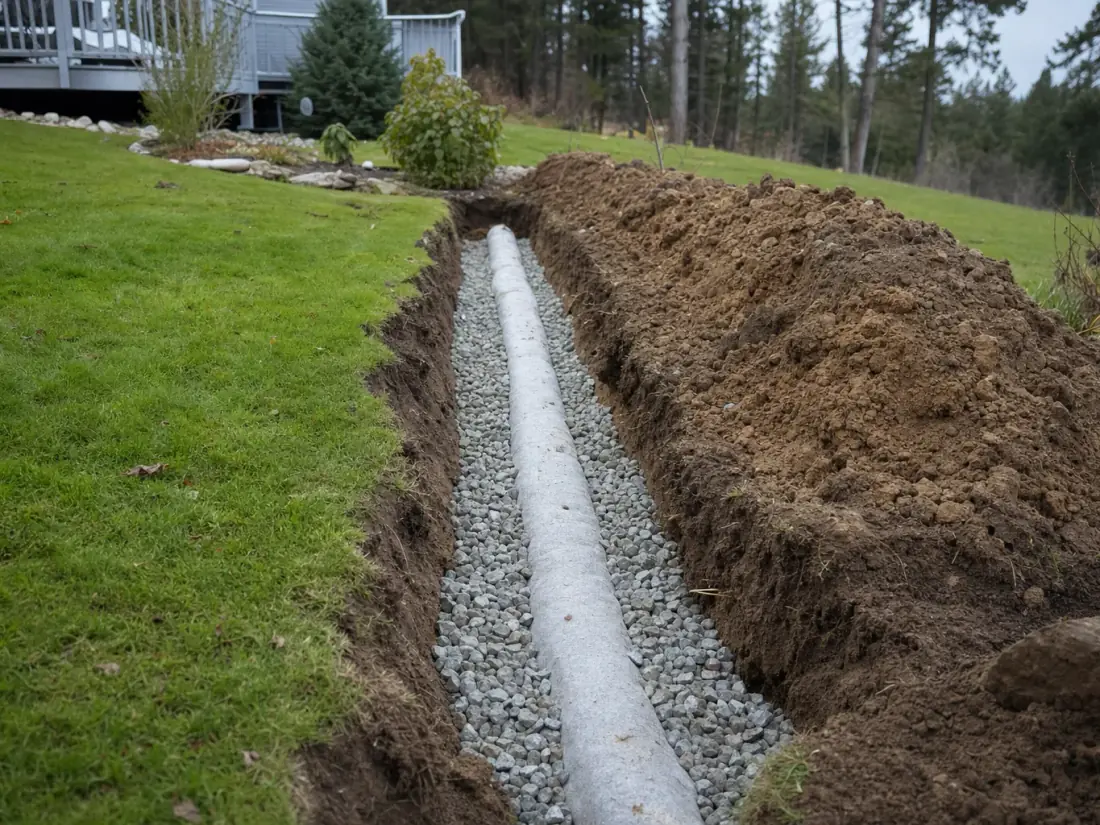
Yes, effectively always. A working system is drainage stone behind the face, filter fabric keeping soil fines out of that stone, a perforated pipe at the base, and an outlet that actually daylights somewhere. Miss any one of those four and the system does not function. This is the most commonly skipped part of wall construction and the most common reason walls fail here.

What is the best material for a retaining wall?

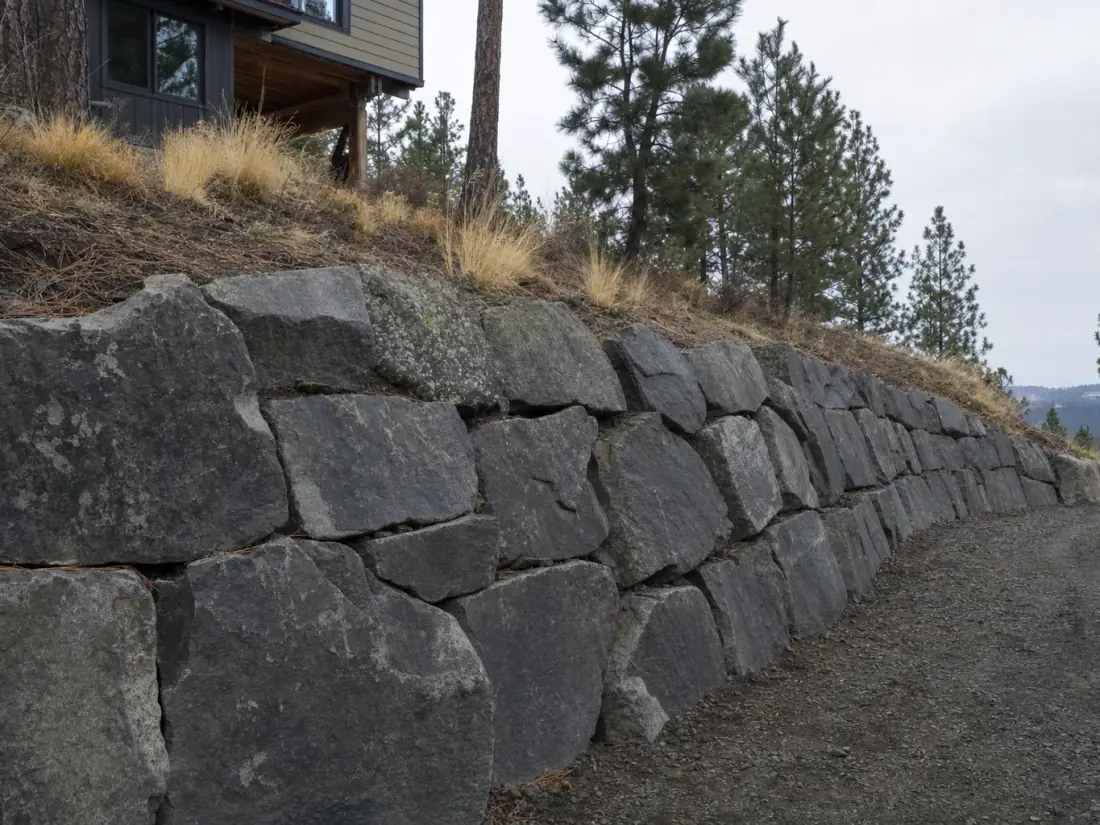
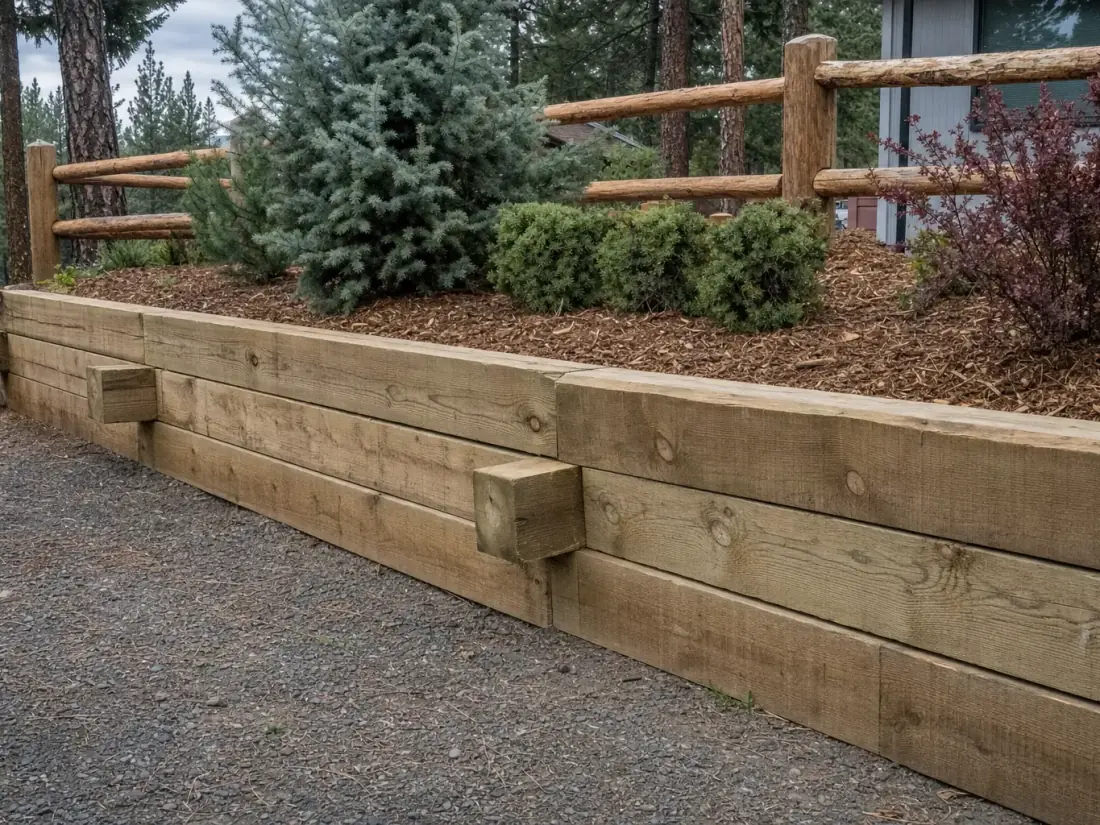
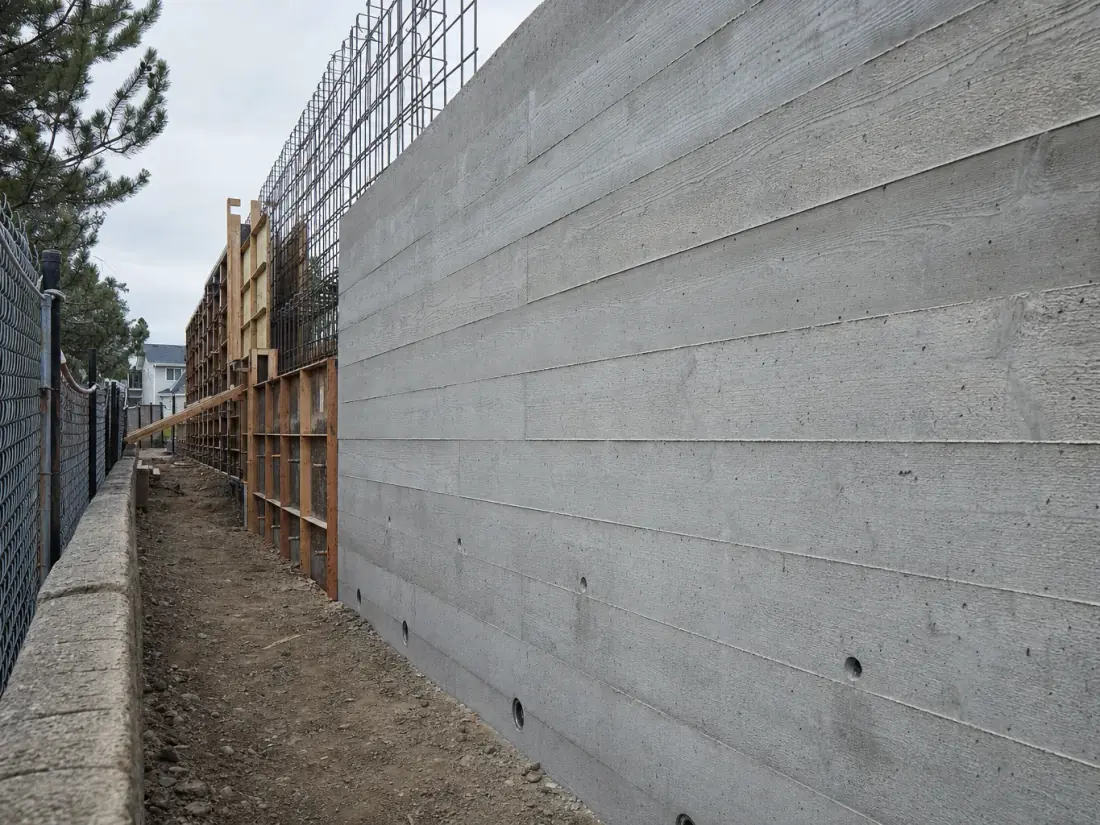
It depends on height, soil, drainage and what the wall has to hold back. Segmental block suits most residential walls. Boulder and natural stone handle irregular grades and look at home in this landscape. Poured concrete is for tall walls, tight property lines and heavy surcharge. Timber is cheapest but shortest-lived. Anyone who recommends a material before seeing the site is guessing.

How close can tiered walls be to each other?

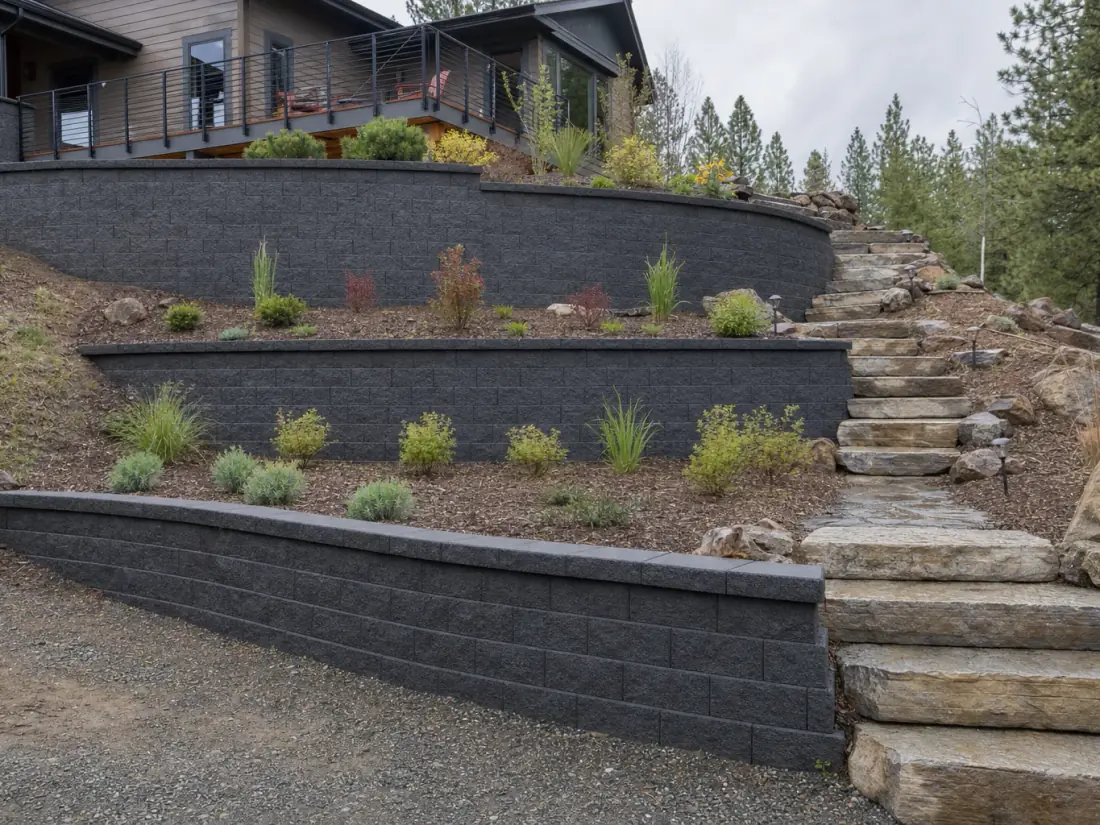
Far enough apart that the upper wall does not load the lower one. A common rule of thumb is a horizontal setback of at least twice the height of the lower wall. Closer than that and the tiers stop acting independently — the upper wall becomes a surcharge on the lower, which then needs designing as a single taller structure, usually with engineering.

Do you work in Idaho as well as Washington?

Yes. Post Falls and Coeur d’Alene are minutes over the state line and we work there routinely. Worth knowing that Kootenai County permit requirements differ from Spokane County, so we confirm which rules apply to your site before design.

When can retaining walls be built in Spokane?

Roughly April through October. Wall construction needs workable ground and reliable compaction, and frozen or saturated soil gives neither. We survey and design through the winter so projects are permitted and ready to start as soon as the ground opens up, which usually means a better slot than booking in spring.

Need a contractor in Liberty Lake?

Call (509) 351-7634 for a real arrival window.

Click to CallQuote